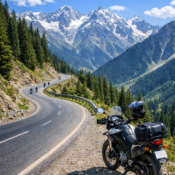
Sustainable Travel in Kashmir: Eco-Friendly Guide for Families, Travel Agents & Adventurers
Sustainable Travel in Kashmir: Eco-Friendly Guide for Families, Travel Agents & Adventurers
Embrace Sustainable Travel in the Crown of India
Kashmir – often called Paradise on Earth – isn’t just about snow‑capped peaks and shimmering lakes. It’s a living tapestry of delicate ecosystems, ancient cultures and people whose lives are deeply tied to the land. Travelling responsibly here isn’t a trend – it’s a way of ensuring that the valleys and villages that capture our hearts remain vibrant for generations to come. This eco‑friendly travel guide is designed for families, adventure seekers and travel agents who want to experience the magic of Kashmir while protecting it.
Why Choose Sustainable Travel in Kashmir?
- Protect fragile ecosystems: Kashmir’s biodiversity includes rare animals in Dachigam National Park, high‑altitude wetlands and delicate alpine meadows. Minimising waste and respecting wildlife helps protect these treasures.
- Support local communities: Staying at locally owned guesthouses, eating home‑cooked meals and purchasing handmade crafts ensure your money benefits Kashmiri families. Responsible tourism boosts the local economy and preserves centuries‑old skills like pashmina weaving and walnut wood carving.
- Enhance cultural exchange: Eco‑travel isn’t about sacrificing comfort – it’s about engaging meaningfully with the people you meet. Learning a few phrases of Kashmiri, listening to folk tales and sharing chai fosters genuine connections that enrich both visitors and hosts.
Eco‑Friendly Travel Tips for Visitors
- Pack light and reuse: Bring a refillable water bottle, cloth shopping bags and bamboo utensils. Avoid single‑use plastics, which are difficult to dispose of in remote areas.
- Choose green accommodation: Opt for eco‑friendly hotels, houseboats with waste‑treatment systems and family‑run homestays. These lodgings often use solar power, organic produce and sustainable building materials.
- Travel bld Srinagar’s narrow alleys, cycle around Dal Lake or take a shared taxi. Reducing car usage lowers your carbon footprint and gives you time to truly absorb the scenery.
- Leave no trace: Whether you’re trekking in the Great Lakes region or picnicking on Shankaracharya Hill, follow the Leave No Trace principles. Take all waste with you, stick to marked paths and never disturb wildlife or wildflowers.
- Respect local customs: Dress modestly near shrines and villages, ask permission before taking photographs and learn about Kashmiri etiquette. A respectful traveller is always welcome.
- Must‑Visit Eco Destinations and Activities
- Dachigam National Park: Located a short drive from Srinagar, this protected area is home to the endangered hangul (Kashmir stag), Himalayan black bear and a variety of birds. Visit with a certified naturalist and follow park regulations to avoid disturbing wildlife.
- Aru & Betaab Valleys (Pahalgam): These lush valleys are ideal for families seeking gentle hikes, horse rides and picnic spots. Stay in eco‑lodges that source their food locally and encourage waste segregation.
- Yousmarg & Doodhpathri: Known for rolling meadows and pine forests, these areas offer serene day hikes and bird‑watching. They’re less crowded than Gulmarg but equally stunning, making them perfect for eco tourists.
- Gurez Valley & Dawar Village: Near the Line of Control, Gurez Valley is a hidden gem for cultural immersion and community‑based tourism. The local Dard‑Shina people open their homes to guests, sharing stories, music and simple organic meals.
- Tosa Maidan & Bangus Meadows: These lesser‑known grasslands are ideal for off‑beat camping trips. Travel Execute can arrange guided treks with minimal environmental impact.
- Sustainable houseboat stays on Dal Lake: Choose houseboats that implement proper waste management and use eco‑friendly products. Wake up to the gentle lapping of water and enjoy breakfasts of Kehway foot or shared transport: Kashmir’s beauty is best experienced up close. Walk through o
ld Srinagar’s narrow alleys, cycle around Dal Lake or take a shared taxi. Reducing car usage lowers your carbon footprint and gives you time to truly absorb the scenery. - Leave no trace: Whether you’re trekking in the Great Lakes region or picnicking on Shankaracharya Hill, follow the Leave No Trace principles. Take all waste with you, stick to marked paths and never disturb wildlife or wildflowers.
- Respect local customs: Dress modestly near shrines and villages, ask permission before taking photographs and learn about Kashmiri etiquette. A respectful traveller is always welcome.
- Must‑Visit Eco Destinations and Activities
- Dachigam National Park: Located a short drive from Srinagar, this protected area is home to the endangered hangul (Kashmir stag), Himalayan black bear and a variety of birds. Visit with a certified naturalist and follow park regulations to avoid disturbing wildlife.
- Aru & Betaab Valleys (Pahalgam): These lush valleys are ideal for families seeking gentle hikes, horse rides and picnic spots. Stay in eco‑lodges that source their food locally and encourage waste segregation.
- Yousmarg & Doodhpathri: Known for rolling meadows and pine forests, these areas offer serene day hikes and bird‑watching. They’re less crowded than Gulmarg but equally stunning, making them perfect for eco tourists.
- Gurez Valley & Dawar Village: Near the Line of Control, Gurez Valley is a hidden gem for cultural immersion and community‑based tourism. The local Dard‑Shina people open their homes to guests, sharing stories, music and simple organic meals.
- Tosa Maidan & Bangus Meadows: These lesser‑known grasslands are ideal for off‑beat camping trips. Travel Execute can arrange guided treks with minimal environmental impact.
- a
(saffron‑infused tea) and Girda bread.
Cultural Highlights & Community Tourism
Kashmir’s culture is woven from myriad traditions, languages and religions. Responsible travellers will find endless opportunities for meaningful exchange:
- Homestays in rural villages: Spend a night in a Kashmiri mud‑brick home, share stories over steaming cups of noon chai (pink salted tea), and learn how to prepare simple dishes like haak saag (collard greens) and nadru yakhni (lotus stem in yoghurt sauce). These experiences foster mutual respect and understanding.
- Craft workshops: Visit a papier‑mâché studio in Srinagar, a pashmina weaving centre in Old City or a wood‑carver’s workshop in Anantnag. Buying directly from artisans ensures fair wages and preserves heritage crafts.
- Local festivals & Sufi shrines: Attending a Sufi qawwali at Hazratbal Shrine or joining a village festival provides insight into Kashmiri spirituality. Remember to dress modestly and observe local customs.
Taste of Kashmir: Sustainable Food Choices
Food is at the heart of Kashmiri hospitality. Enjoy traditional dishes while supporting sustainable practices:
- Farm‑to‑table dining: Many homestays and eco‑resorts grow their own vegetables or source from nearby farms. Savour dishes like rogan josh, tabak maaz (crisp lamb ribs) and gushtaba (meatballs in yoghurt gravy) prepared with organic ingredients.
- Vegetarian delights: Try dum aloo (spiced potatoes), methi chaman (fenugreek with cottage cheese) and shufta (dry fruit and nut dessert). These dishes highlight local produce without relying on meat.
- Spice markets & saffron fields: Explore the saffron fields of Pampore and aromatic spice bazaars of Lal Chowk. Purchase ethically farmed saffron and spices to support farmers.
Responsible Adventure Activities
Kashmir is a playground for adventure seekers, but caution and respect are essential:
- **Trekking & cam
- ping**: Trails like the *Kashmir Great Lakes Trek* or Tarsar–Marsar Trek offer breathtaking panoramas. Always travel with certified guides, carry reusable water bottles, and avoid littering. Small group sizes reduce environmental impact.
- River rafting & fishing: The Lidder and Sindh rivers provide white‑water thrills and trout fishing. Follow local guidelines to protect aquatic life.
- Bird‑watching & photography: Bring binoculars and a camera with a zoom lens to photograph migratory birds in Hokersar Wetland or Manasbal Lake. Maintain a respectful distance and use silent mode to avoid disturbing wildlife.
- Tips for Travel Agents & Families
- Customise eco packages: For travel agents curating Kashmir itineraries, include eco‑friendly stays, local guides and cultural workshops. Emphasise small group sizes and low‑impact transport to appeal to clients seeking sustainable travel packages in Kashmir.
- Family‑friendly eco activities: Families can enjoy gentle walks in Shalimar Bagh, saffron picking in Pampore, or a zero‑waste picnic by Wular Lake. Travel Execute can arrange pony rides, farm visits and craft sessions suitable for children.
- Accessible adventure: Senior travellers and people with limited mobility can still enjoy Kashmir’s beauty. Consider a serene shikara ride on Dal Lake, scenic drives through Sonamarg, or a visit to Verinag Springs with easy walking paths.
- Plan Your Responsible Kashmir Journey with Travel Execute
- At Travel Execute, we believe sustainable travel is the future of tourism in Kashmir. Our local team designs eco‑friendly tour packages that balance comfort with conservation. Whether you’re a solo explorer, a family looking for adventure, or a travel agent seeking authentic experiences for your clients, we tailor itineraries that:
- Reduce environmental impact through green transport and accommodations.
- Promote cultural immersion through community homestays and artisanal workshops.
- Offer personalised support from knowledgeable local guides.
- Ready to explore Kashmir responsibly? Email us at info@travelexecute.com or click the WhatsApp button below to speak directly with our team about sustainable tourism packages. Together, we’ll create memories that honour the beauty and people of Kashmir while leaving a lighter footprint on our planet.

All Categories
Recent Posts
Glamping in Kashmir: Luxury Tents & Boutique Camps for Families, Agents & Adventurers
Discover Turtuk: Kashmir’s Hidden Frontier Village in Nubra Valley